How Exterior Paint Color Affects a Home’s Energy Efficiency
Exterior color does affect energy performance, but the size of that effect depends on what surface you are painting, how much sun the house gets, and how the home is insulated and ventilated. In plain terms, lighter colors reflect more sunlight and darker colors absorb more of it. That matters most on roofs, but it can matter on walls too, especially in sunny climates. If you are planning an exterior repaint and want help weighing color, material, and long-term performance, Bear Mountain Custom Painting can talk it through with you.
As the leading house painters in Cumming, we work with folks to choose the right paint for their home every day. We offer painting services in Atlanta, Roswell, Johns Creek, and all surrounding areas, and we would love to speak with you.
Why Color Affects Heat Gain
Sunlight carries energy. When that energy hits your home’s exterior, one of three things happens: some is reflected away, some is absorbed into the material, and some is released back out as heat. The more sunlight a surface reflects, the cooler that surface tends to stay. The more it absorbs, the hotter it tends to get. That is why the U.S. Department of Energy, ENERGY STAR, and Lawrence Berkeley National Laboratory all focus on solar reflectance and thermal emittance when they talk about cool roofs and cool walls.
That is also why color matters. Lighter finishes usually reflect more incoming solar energy than darker ones. Darker colors can look beautiful, but they usually run hotter in direct sun. On a summer afternoon, a conventional dark roof can reach 150°F or more, according to the Department of Energy.
Read more: mistakes to avoid when painting your home’s exterior
The Roof Usually Matters More Than the Walls
When homeowners think about paint color and energy efficiency, they often picture the whole house equally. In reality, the roof usually has the bigger energy impact because it gets the most direct sun exposure over the course of the day. The EPA says solar reflectance from a cool roof can reduce peak cooling demand by 11 to 27 percent in air-conditioned residential buildings. The DOE and ENERGY STAR both say cool roofs lower surface temperature by reflecting more sunlight and releasing more heat.
That does not mean wall color is irrelevant. Lawrence Berkeley National Laboratory notes that “cool walls” reduce unwanted solar heat gain in cooling season and can lower electricity use and peak demand. But if you are trying to estimate how much an exterior paint color change will affect utility bills, the roof tends to move the needle more than the siding.
Light Colors vs. Dark Colors on Exterior Walls
If your home gets long, strong sun exposure, a lighter exterior can help reduce heat absorbed into the building envelope. That does not mean every white or pale beige house suddenly becomes cheap to cool. It means the wall surface itself runs cooler, which can reduce unwanted heat gain to some degree. Lawrence Berkeley’s cool-wall research points to the same basic rule: higher solar reflectance means less solar heat absorbed by the wall.
Dark colors do the opposite. They absorb more sunlight and tend to get hotter. In a colder climate, that can sound appealing, but it is not a magic heating strategy. The EPA notes that reflective roofs can reduce some desired winter heat gain, yet still deliver net energy savings overall in many climates, especially where cooling costs are meaningful. That is one reason paint color should be part of a larger conversation about climate, insulation, attic ventilation, and sun exposure, not a standalone fix.
Color Is Only One Part of the Equation
This is where a lot of blog posts oversimplify things. Exterior paint color matters, but it is not the whole story. A well-insulated home with decent attic ventilation, shaded exposures, and efficient windows may see only a modest difference from changing siding color alone. A poorly ventilated attic under a heat-absorbing roof may see a much bigger difference from roofing changes than from wall paint. The EPA notes that cool roofs are generally most effective on one- or two-story buildings with large roof areas, and cooling savings are typically greatest in places with long, sunny, hot summers.
That is one reason homeowners should be careful with exaggerated claims. If someone makes it sound like repainting your siding will transform your energy bills by itself, that is probably too simple. Exterior color can help. It is just one variable among many.
What This Means for Homeowners in North Georgia
For a North Georgia homeowner, the practical question is not “Should I always choose white?” It is more like, “How much sun does this house take, which elevations get hit the hardest, and do I want appearance or heat reduction to pull more weight in the decision?” In a warm, humid climate with long cooling seasons, lighter exteriors usually make more sense from an energy standpoint than very dark ones. That basic principle lines up with DOE, EPA, and cool-surface research.
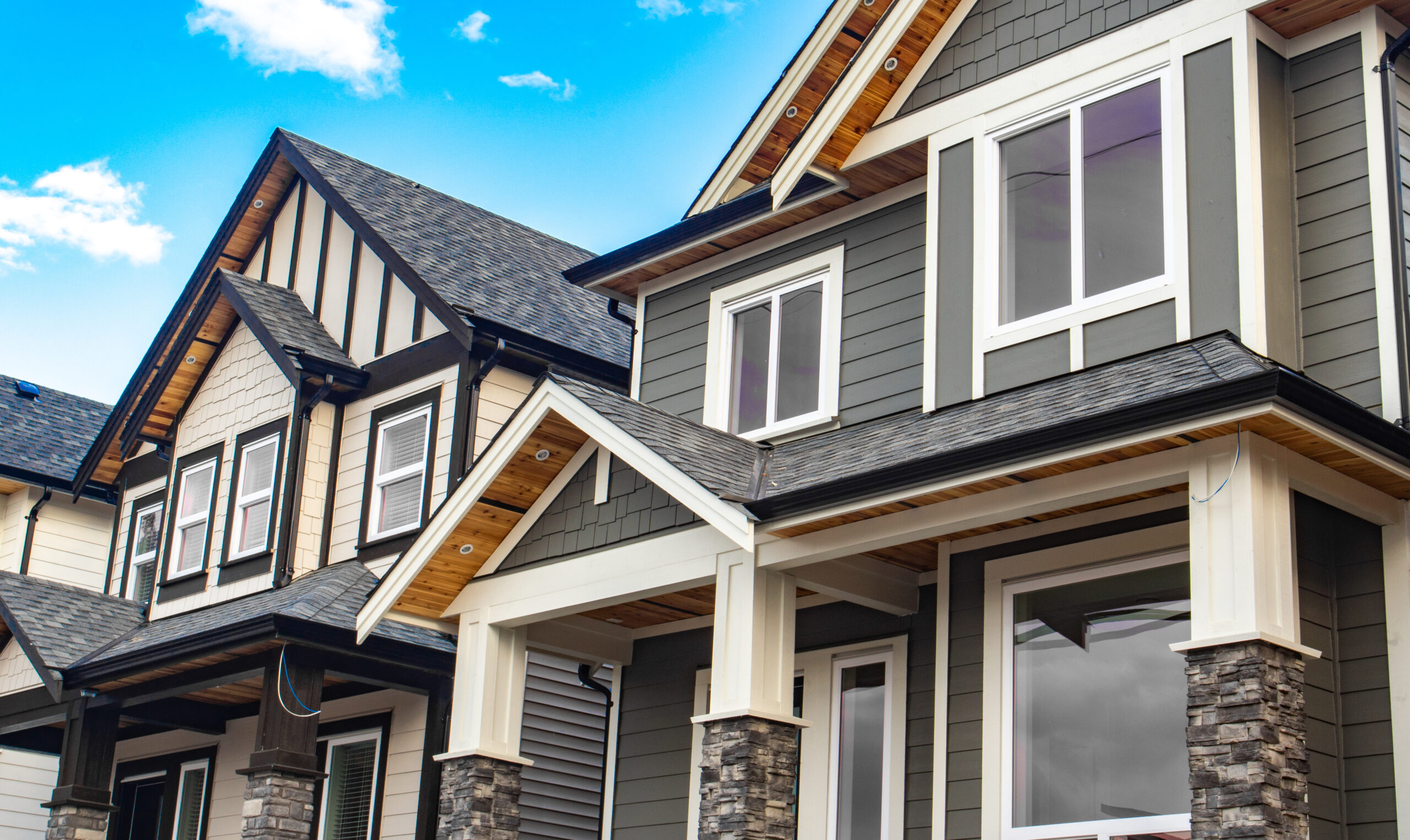
That said, many homeowners want some contrast. That is reasonable. A balanced palette often works well: a lighter main body color, then deeper shutters, doors, trim accents, or architectural details. This gives you design flexibility without turning the whole house into a solar sponge. It is also worth remembering that “cool” products are not always plain white. Lawrence Berkeley notes that cool roofs and cool walls come in various colors and styles, not just bright white finishes. The DOE also points to “cool color” products that reflect more sunlight than conventional darker-looking materials.
Material and Finish Still Matter
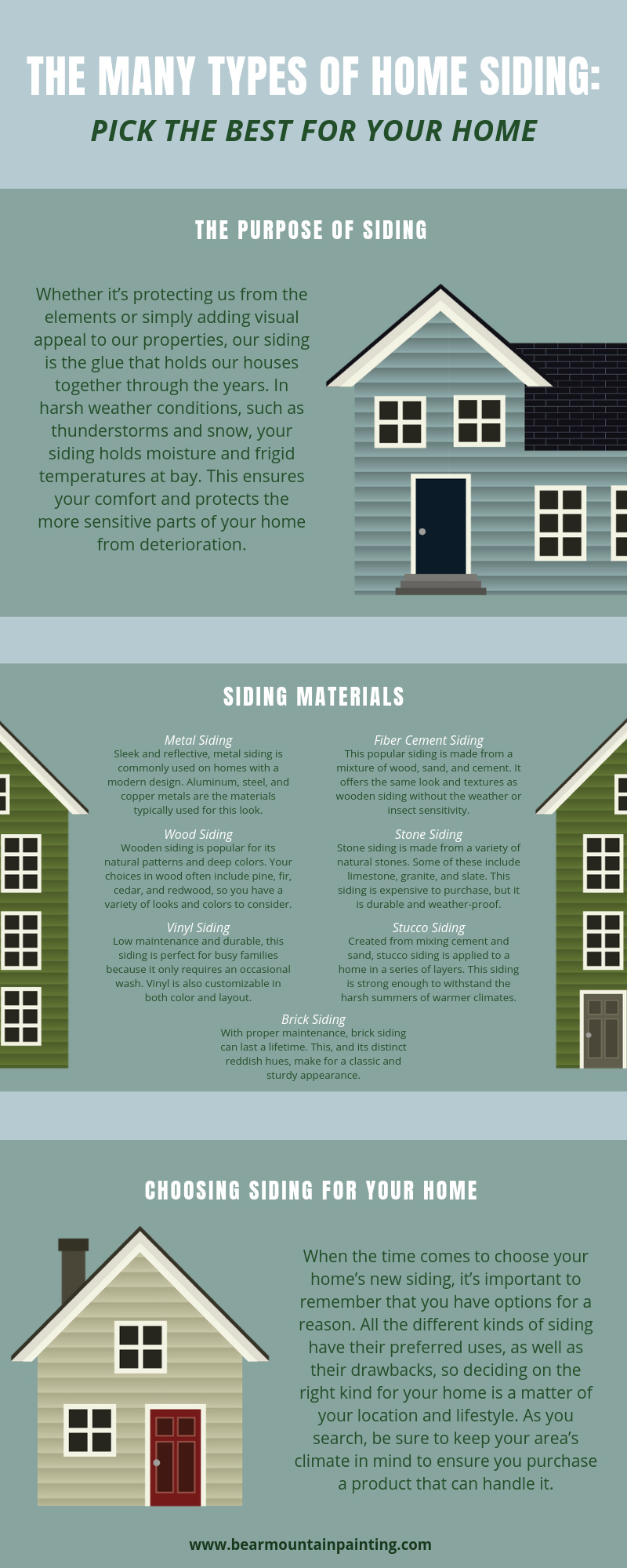
The surface you are painting matters too. Brick, stucco, wood, fiber cement, and vinyl all behave differently in the sun and handle coatings differently. The paint’s finish and chemistry matter as well. If a product has better reflectance and durability for a given surface, that matters more than a simplistic “light good, dark bad” rule. The DOE notes that cool surfaces depend on both reflectance and the ability to release heat.
So if you are trying to make a smart choice, do not just stare at swatches in isolation. Look at the material, the amount of shade, the orientation of the house, and whether the roof is doing most of the thermal heavy lifting.
A Better Way to Think About Exterior Color
The smartest way to frame this is pretty simple. If your goal is lower summer heat gain, lighter and more reflective colors generally help more than darker ones. If your goal is purely aesthetic, then energy performance may become a secondary factor. Most homeowners land somewhere in the middle. They want the house to look good, but they also do not want to make it harder to keep the place comfortable.
That is where practical guidance matters. A good painter should be able to help you think through color, finish, material, and sun exposure together, rather than selling color as a miracle utility fix.
FAQs About Exterior Paint Color and Energy Efficiency
Does Exterior Paint Color Really Affect Energy Efficiency?
Yes, but the effect varies. Lighter colors generally reflect more sunlight, while darker colors absorb more heat. That can affect how hot exterior surfaces get and how much unwanted heat enters the home. The effect tends to be more noticeable on highly sun-exposed homes and is usually stronger on roofs than on walls.
Does Roof Color Matter More Than Siding Color?
Usually, yes. Roofs take more direct sun and often have a bigger effect on heat gain than wall color alone. The DOE says cool roofs absorb less solar energy, and the EPA says cool-roof reflectance can reduce peak cooling demand by 11 to 27 percent in air-conditioned residential buildings.
Are Dark Exterior Colors Always A Bad Idea?
No. They can work well visually, and some homes look better with more contrast. The tradeoff is that darker colors generally absorb more sunlight and run hotter. In warm, sunny climates, that is usually less favorable from an energy standpoint than a lighter finish.
Do I Need A White Exterior To Get Energy Benefits?
No. That is too extreme. Many lighter neutrals can help reflect more sunlight, and some “cool color” products are designed to reflect more solar energy without looking bright white. You can often get a balanced look without choosing the lightest possible shade.
Will Repainting My House Lower My Utility Bills A Lot?
Maybe a little, maybe more, but not always dramatically. Exterior color is one factor among many. Insulation, attic ventilation, roof color, window performance, tree cover, and the home’s orientation all play a role. That is why repainting should be seen as part of a broader efficiency picture, not a guaranteed major savings move.
What Is A Cool Wall?
Lawrence Berkeley National Laboratory defines a cool wall as an exterior wall surface that stays cooler in the sun by strongly reflecting sunlight and efficiently emitting thermal infrared radiation. In practical terms, it is a wall finish designed to absorb less heat during sunny weather.
What Is The Safest Color Strategy For A Home In A Warm Climate?
A lighter main body color is usually the safer energy choice in a warm, sunny climate. If you want more character, darker accents on shutters, doors, or trim are a practical compromise. That approach keeps the overall heat gain lower than a fully dark exterior while still giving the home some contrast and personality.