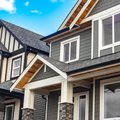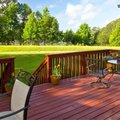






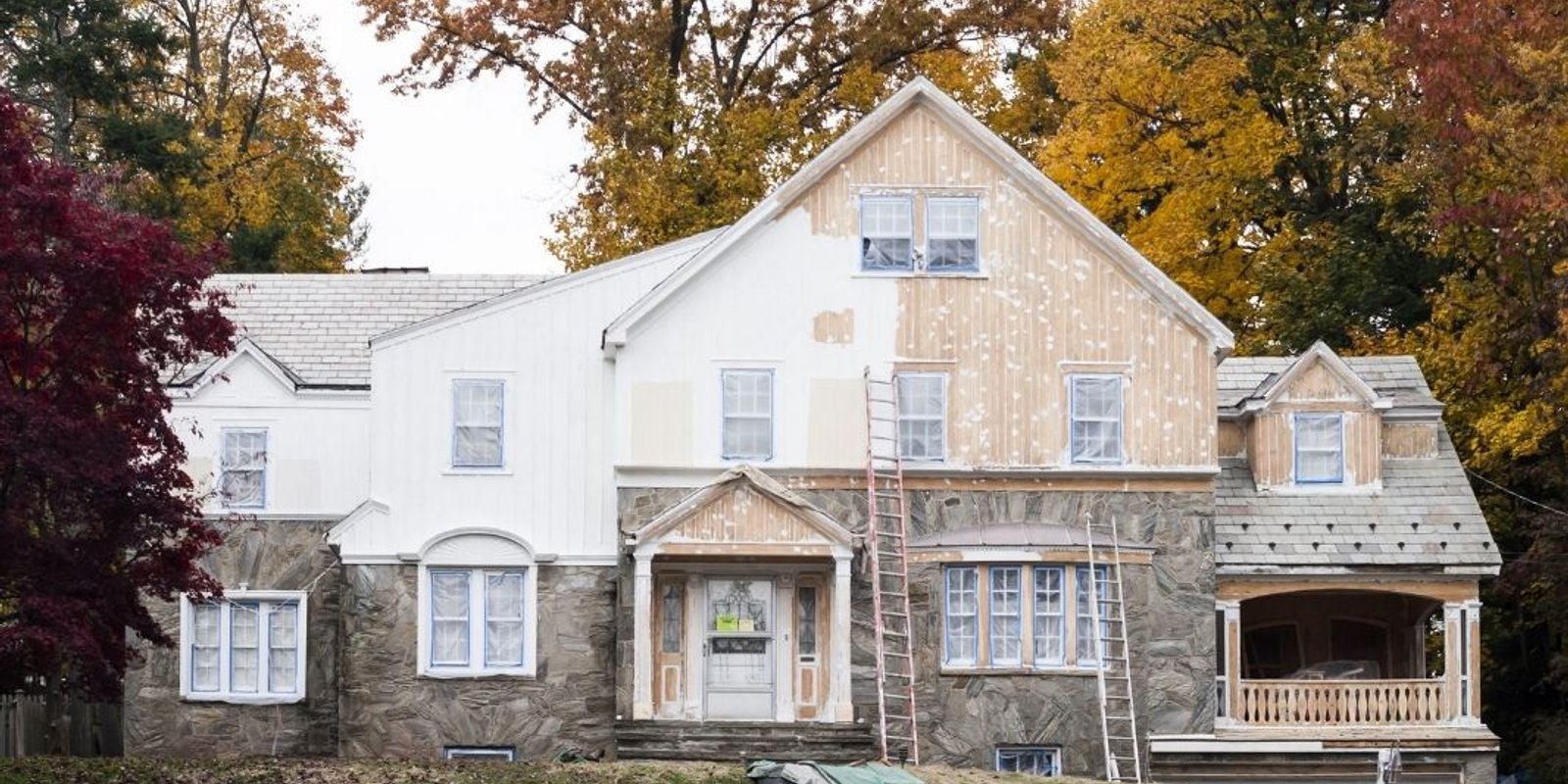

Winter has a way of slowing things down. Shorter days, colder mornings, and fewer home projects on the calendar often go hand in hand. That’s why many homeowners assume exterior painting has to wait until spring. In reality, that isn’t always the case. In places like the Atlanta area, winter exterior painting can work very well when it’s planned the right way.
The key is understanding how colder weather changes the process. Paint still performs, surfaces can still be prepped properly, and projects can move forward. The approach just looks a little different than it does in July. This guide walks through what to expect, what matters most, and how to decide whether winter painting makes sense for your home.
As the leading house painters in Atlanta and the surrounding suburbs, Bear Mountain would be happy to help. Send us a note and we’ll provide a complimentary quote.
How Cold Weather Changes Exterior Painting
What Temperatures Are Actually Paint-Friendly
Exterior paint used to be far less forgiving in cold weather. That has changed. Many modern paints apply well when daytime temperatures stay in the mid-40s and above, as long as nights don’t drop too far below that range. In the Atlanta area, winter often brings plenty of days that meet those conditions.
What painters watch most closely is consistency. Paint needs time during the day to settle and begin curing before evening temperatures cool off. That usually means starting later in the morning and wrapping up earlier in the afternoon, rather than working from dawn to dusk.
Drying and Curing Take a Slower Path
Cold air slows the process down, and that is not always a bad thing. Slower drying allows paint to level more evenly, which can improve how the finish looks once everything settles. Curing still happens, it just takes more patience. Winter projects succeed when coats are spaced properly and timelines stay flexible. Call our friendly painting contractors in Marietta for a quote or expert insight.
Picking the Right Paint for Winter Conditions
Why Cold-Weather Paint Matters
Not every exterior paint belongs on a winter job. Some products are designed to stay flexible in cooler temperatures and handle mild temperature swings without cracking or peeling later. Others are not. Using the wrong paint often leads to early failure, even if the surface looked fine at first.
Manufacturers list minimum temperature guidelines for a reason. Those numbers guide when paint goes on and how the project is scheduled.
Primer Becomes Even More Important
Primer does a lot of heavy lifting during winter painting. Bare wood, patched areas, and older surfaces all benefit from primers that bond reliably in cooler air. Winter is not the time to cut corners on prep layers. A good primer creates a stable base that helps finish coats hold up long after temperatures warm back up.
Getting Your Home Ready for Winter Painting
Prep Work Sets the Tone for the Entire Project
Winter exterior painting leaves little room for shortcuts. Surfaces need to be clean, dry, and sound before paint ever comes out. Power washing still plays a role, but extra drying time is often needed afterward. Wood repair, caulking, and sanding become even more important when colder weather is involved.
Good prep keeps moisture out and helps paint adhere properly from the start.
Morning Dew and Moisture Awareness
Winter mornings often bring dew, even on clear days. Siding and trim can hold onto that moisture longer than expected. Professional painters wait until surfaces are fully dry before getting started, which usually shifts work toward late morning or midday. That small adjustment makes a big difference in how well paint bonds.
Scheduling a Winter Exterior Painting Project
Working With Shorter Days
Winter days are shorter, so planning matters more. Painters typically follow the sun, working on warmer, sunlit sides of the home first and rotating as conditions change. The focus stays on steady progress rather than speed.
In Atlanta, this approach allows winter projects to move along without sacrificing quality.
Keeping an Eye on the Forecast
Winter weather can change quickly. A warm stretch may be followed by rain or a sudden cold snap. Successful winter painting relies on watching forecasts closely and being willing to shift schedules when needed. This flexibility protects the work and keeps the final result consistent, and our house painters in Johns Creek always keep an eye on the forecast before we get to work.
Where Winter Exterior Painting Works Best
Regions That See Reliable Winter Conditions
Winter painting works best in regions with mild cold and limited freezing. Much of the Southeast, including North Georgia, falls into this category. Parts of the Carolinas, Texas, and the Southwest also see enough workable winter days to support exterior painting when planned carefully.
Areas Where Winter Painting Is Less Practical
Colder regions face different challenges. Extended freezing temperatures, snow cover, and deep overnight lows make winter exterior painting difficult in much of the Midwest, Northeast, and higher elevations out West. In those areas, exterior projects often pause until spring.
Why Some Homeowners Choose Winter Painting
More Scheduling Flexibility
Winter tends to be a quieter season for exterior painting. That often means easier scheduling, quicker consultations, and more flexibility if weather causes a delay. For homeowners working toward a spring listing or coordinating multiple projects, this can be a real advantage.
Gentler Conditions for Paint
Atlanta winters bring lower humidity and less intense sun than summer. Those calmer conditions can actually be easier on fresh paint, especially when products and timing line up well. Many winter paint jobs perform just as well as those completed during warmer months.
Pairing Winter Exterior and Interior Projects
Making the Most of the Season
Some homeowners use winter as a chance to tackle both exterior and interior updates. Cooler weather makes interior painting more comfortable, and projects can be sequenced efficiently. Finishing painting work during winter often frees up warmer months for landscaping, outdoor projects, or simply enjoying the home.
Is Winter the Right Time for Your Home?
Looking at Surface Condition First
Homes with peeling paint, exposed wood, or moisture-related wear may benefit from attention sooner rather than later. Waiting months for spring can allow small issues to grow. A professional evaluation helps determine whether winter painting is a good option or if waiting makes more sense.
Getting Advice Before You Decide
Winter exterior painting is not a guessing game. Paint choice, prep work, and scheduling all need to match local conditions. Bear Mountain Custom Painting has served the Atlanta area since 2005 and understands how winter weather here affects exterior paint. If you’re considering a winter project, contact us for a complimentary consultation and quote. Our house painters in Cumming are happy to talk through your options and help you decide what works best for your home.
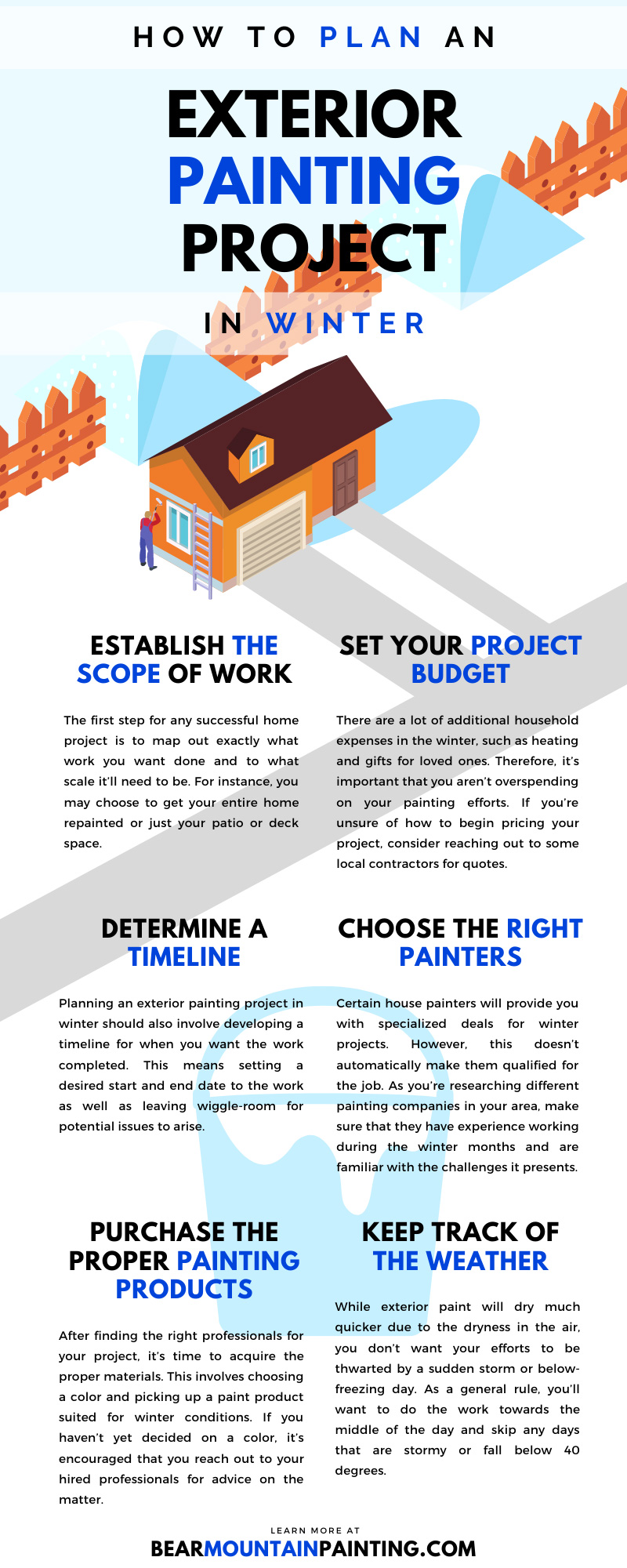
Frequently Asked Questions About Winter Exterior Painting
Can You Really Paint a House Exterior During Winter?
Yes, exterior painting can be done during winter when daytime temperatures stay within product guidelines and surfaces are properly prepared. In areas like Atlanta, winter often provides workable conditions for several hours each day.
What Is the Coldest Temperature Exterior Paint Can Handle?
Many modern exterior paints apply well when temperatures remain in the mid-40s or higher during the day. Overnight temperatures matter too, since paint needs time to begin curing before conditions cool off.
Does Winter Paint Take Longer to Dry?
Drying and curing typically take longer in winter. This is normal and accounted for during scheduling. Slower drying can actually help paint level more evenly when coats are spaced correctly.
Is Winter Exterior Painting Durable Long-Term?
When the right products are used and prep work is done correctly, winter paint jobs can last just as long as those completed in warmer seasons.
What Types of Paint Work Best in Cold Weather?
Cold-weather exterior paints are formulated to stay flexible and bond properly at lower temperatures. Standard warm-season paints are not recommended for winter use.
How Does Morning Dew Affect Winter Painting?
Morning dew can leave surfaces damp longer than expected. Painters wait until siding and trim are fully dry before starting, which often shifts work toward late morning or midday.
Can All Exterior Surfaces Be Painted in Winter?
Most siding, trim, and exterior features can be painted in winter if conditions allow. Each material requires proper prep and compatible products to perform well in cooler weather.
Are Winter Painting Projects Slower Than Summer Ones?
Winter projects may move at a different pace due to shorter days and weather monitoring, but thoughtful scheduling keeps progress steady and controlled.
Is Winter a Good Time to Combine Interior and Exterior Painting?
Yes, many homeowners choose to tackle both during winter. Interior painting is often more comfortable during cooler months, and projects can be sequenced efficiently.
How Do I Know If Winter Painting Is Right for My Home?
A professional evaluation helps determine whether winter conditions are suitable for your home’s surfaces and current paint condition. Some homes benefit from prompt attention rather than waiting for spring.