





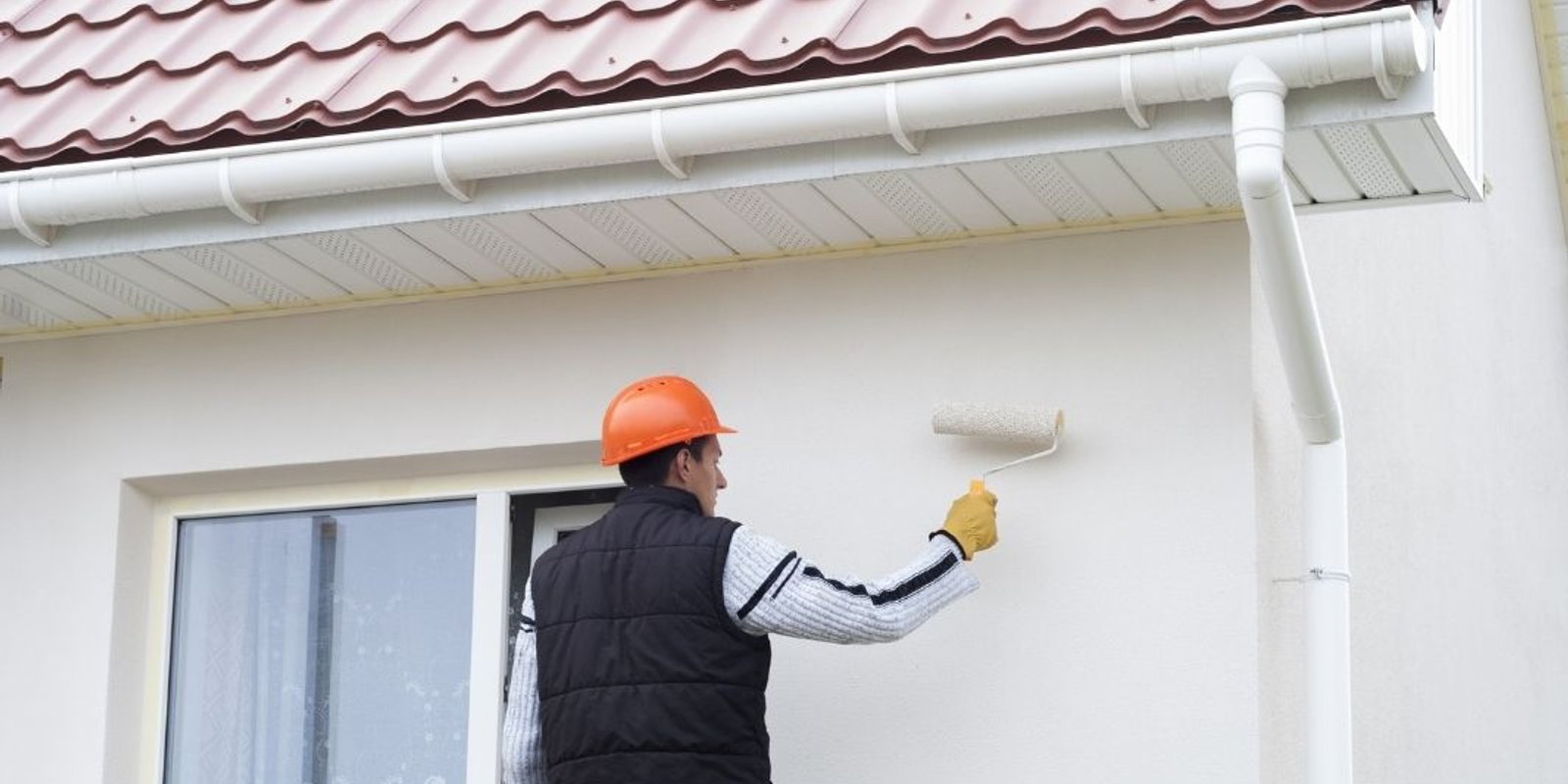

Painting the outside of a home looks straightforward at first glance. A ladder, a few gallons of paint, and a free weekend might seem like all it takes. In reality, exterior painting is one of the most technical home improvement projects you can undertake. Weather conditions, surface preparation, paint chemistry, and application technique all affect how long the finished job will last.
Many exterior paint failures begin months or years before homeowners realize something went wrong. Peeling paint, fading color, mildew stains, and blistering coatings often trace back to mistakes that occurred during preparation or application. Understanding what can go wrong helps homeowners avoid those pitfalls and get a result that protects the house and looks great for years.
Below are some of the most common mistakes people make when painting a home’s exterior, along with practical guidance for avoiding them.
For a quote from the best house painters in Cumming, GA, or if you need interior or exterior painting in Johns Creek, Atlanta, Roswell, or anywhere else in North GA, get in touch.
Some Reasons Why Exterior Paint Jobs Fail
Exterior coatings are constantly exposed to sunlight, moisture, wind, and temperature changes. Even high quality paint will fail if it is applied under the wrong conditions or over poorly prepared surfaces.
It Starts Before Painting Begins
The biggest mistake homeowners make is assuming paint will hide surface problems. Paint is not designed to correct structural issues or cover contamination. Dirt, mildew, chalking, and loose paint prevent new coatings from bonding properly.
If the surface beneath the paint is unstable, the new coating will eventually separate from the siding. That failure may show up as peeling, bubbling, or cracking paint within a year or two.
Local Weather Creates Unique Challenges
Homes in the Atlanta and Cumming areas experience a combination of high humidity, strong summer sun, and frequent rainstorms. These conditions place extra stress on exterior coatings. Humidity slows drying times, and strong sunlight can cause paint to cure unevenly if applied incorrectly.
Spring also brings heavy pollen accumulation in North Georgia. Painting over pollen residue can interfere with adhesion, which is why proper cleaning is so important before beginning a project.
Skipping Proper Surface Preparation
Surface preparation is the foundation of every successful paint job. Unfortunately, it is also the step most often rushed or skipped entirely.
Failing to Clean the Exterior
Exterior siding accumulates dirt, dust, mold spores, and airborne pollutants over time. If paint is applied over these contaminants, it cannot bond properly to the surface beneath.
Professional painters usually start with a power wash or soft wash to remove buildup. In areas with mildew, cleaning solutions designed to kill mold spores may be necessary. Once the siding is clean and fully dry, the surface is ready for further preparation.
Painting Over Loose or Peeling Paint
Another frequent mistake is applying new paint directly over areas where the existing coating has begun to fail. Loose paint must be scraped away and the edges sanded smooth so that the new coating sits evenly across the surface.
Without this step, the new paint layer will simply follow the failure pattern of the old one.
Ignoring Rot, Cracks, and Damaged Siding
Exterior paint should never be used as a substitute for repairs. If siding boards are rotting or trim pieces are cracked, those areas should be replaced before painting begins.
Gaps between siding boards, window frames, and trim should also be sealed with exterior-grade caulking. This prevents water from penetrating behind the paint film and causing damage to the underlying structure.
Side note: Contact us for deck restoration services if you are experiencing rotted wood.
Choosing the Wrong Paint or Primer
Many homeowners assume all exterior paint products perform the same. In reality, paint formulas are designed for specific surfaces and conditions.
Why Primer Is Often Necessary
Primer plays several important roles in exterior painting. It improves adhesion, seals porous materials, and blocks stains from bleeding through the final coat.
Bare wood, patched areas, and repaired surfaces almost always require primer. Without it, the finish coat may absorb unevenly or fail prematurely.
Matching Paint to the Surface
Different exterior materials require different types of coatings. Wood siding, fiber cement boards, vinyl siding, and masonry all behave differently when exposed to heat and moisture.
For example, vinyl siding expands and contracts with temperature changes. Paint designed for vinyl remains flexible so it can move with the material without cracking. Masonry surfaces, on the other hand, often require breathable coatings that allow moisture to escape.
Using the wrong product can shorten the lifespan of the entire paint job.
Understanding Paint Sheen
Paint sheen affects both appearance and durability. Flat paints hide imperfections well but can be harder to clean. Satin finishes offer a balance between durability and aesthetics, which is why they are often used on siding.
Semi gloss paints are commonly used on trim and doors because they resist moisture and are easier to wipe clean.
Ignoring Weather and Environmental Conditions
Weather is one of the most important factors in exterior painting. Even high quality paint cannot perform properly if applied under poor environmental conditions.
Temperature and Humidity Requirements
Most exterior paints perform best when applied between roughly 50°F and 85°F. Temperatures outside this range can affect how the coating dries and cures.
High humidity slows evaporation, which means paint may remain soft longer than expected. If additional coats are applied before the previous one has cured properly, the finish may wrinkle or blister.
Direct Sunlight Can Cause Application Problems
Painting in direct sunlight may seem convenient, but it can create problems. Surfaces heated by the sun can cause paint to dry too quickly, leaving lap marks or uneven color.
Professional painters often work around the house as the sun moves across it, keeping application areas in the shade whenever possible.
Rain and Moisture Risks
Exterior paint needs time to dry before exposure to rain. Sudden storms can wash uncured paint off the surface or cause streaking.
Checking weather forecasts and allowing adequate drying time is essential for a successful project.
Using the Wrong Tools or Techniques
The tools used during painting can influence both the appearance and durability of the final result.
Brushes, Rollers, and Sprayers
Each painting tool serves a specific purpose. Brushes provide precise control for trim work and edges. Rollers help apply thicker coatings on textured surfaces. Sprayers allow painters to cover large areas quickly.
However, spraying alone may leave thin paint layers if not followed by proper back rolling.
The Importance of Back Rolling
Back rolling is a technique where a roller is used after spraying to work paint into the surface. This helps push the coating into small crevices and ensures a consistent thickness across the siding.
Without back rolling, the paint film may be too thin in some areas, which can shorten the lifespan of the coating.
Rushing the Painting Process
Exterior painting is not a project that rewards speed. Skipping steps or hurrying through the work can cause problems that show up later.
Allowing Time Between Coats
Paint must dry and begin curing before another coat is applied. Applying additional coats too soon can trap solvents within the paint film, which may lead to bubbling or wrinkling.
Manufacturers provide recommended drying times, and those guidelines should always be followed.
Applying Paint Too Thickly
Some people try to complete the job with fewer coats by applying paint very heavily. This often leads to sagging, runs, or uneven coverage.
Two properly applied coats usually provide better durability than one thick coat.
Overlooking Long Term Maintenance
Even a professionally applied paint job benefits from periodic inspection.
Typical Lifespan of Exterior Paint
The lifespan of exterior paint varies depending on the surface material and environmental exposure. Wood siding often requires repainting every five to seven years, while fiber cement siding may last closer to ten years.
Homes exposed to strong sun or frequent moisture may require more frequent maintenance.
Small Repairs That Extend Paint Life
Cleaning mildew, touching up small chips, and maintaining caulking around windows and trim can extend the life of an exterior paint job. Addressing minor issues early prevents larger repairs later.
When Professional Exterior Painters Make Sense
While many homeowners attempt exterior painting themselves, larger homes and complex surfaces often benefit from professional experience.
Multi Story Homes and Safety Considerations
Painting second and third story areas requires ladders, scaffolding, and safety equipment. Professional crews are trained to work safely at height while maintaining consistent application quality.
Professional Preparation and Materials
Experienced painters understand how different siding materials behave and which coatings perform best in specific conditions. They also have access to professional grade tools and products that can improve the durability of the finished project.
When preparation, materials, and technique all come together, a properly executed exterior paint job can protect a home and maintain its appearance for many years.
Frequently Asked Questions
How Often Should You Paint a Home’s Exterior in Georgia?
Most homes in Georgia need exterior repainting every six to ten years depending on siding type, sun exposure, and the quality of previous paint jobs.
What Is the Best Exterior Paint for Humid Climates?
Acrylic latex exterior paints are widely used in humid regions because they resist mildew growth and maintain flexibility during temperature changes.
Do You Always Need to Power Wash Before Painting?
Cleaning the surface is strongly recommended before painting. Power washing removes dirt, mildew, and chalky residue that would otherwise prevent paint from adhering properly.
Can You Paint Over Old Exterior Paint?
Yes, but only if the existing paint is still firmly bonded to the surface. Loose or peeling areas must be scraped and sanded before repainting.
What Temperature Is Too Cold for Exterior Painting?
Most paint manufacturers recommend avoiding application when temperatures fall below about 50°F, although some specialized formulas allow slightly lower temperatures.
How Long Does Exterior Paint Take to Cure?
Exterior paint may dry to the touch within hours, but full curing can take several days depending on humidity, temperature, and paint type.
Should Exterior Paint Be Sprayed or Rolled?
Many professional painters spray paint for speed and then back roll the surface. This technique helps ensure even coverage and proper paint thickness.
What Causes Exterior Paint to Peel or Bubble?
Peeling and bubbling usually occur when moisture becomes trapped under the paint film or when the surface was not properly cleaned and prepared before painting.