Understanding How Home Paint Is Made

Understanding How Home Paint Is Made

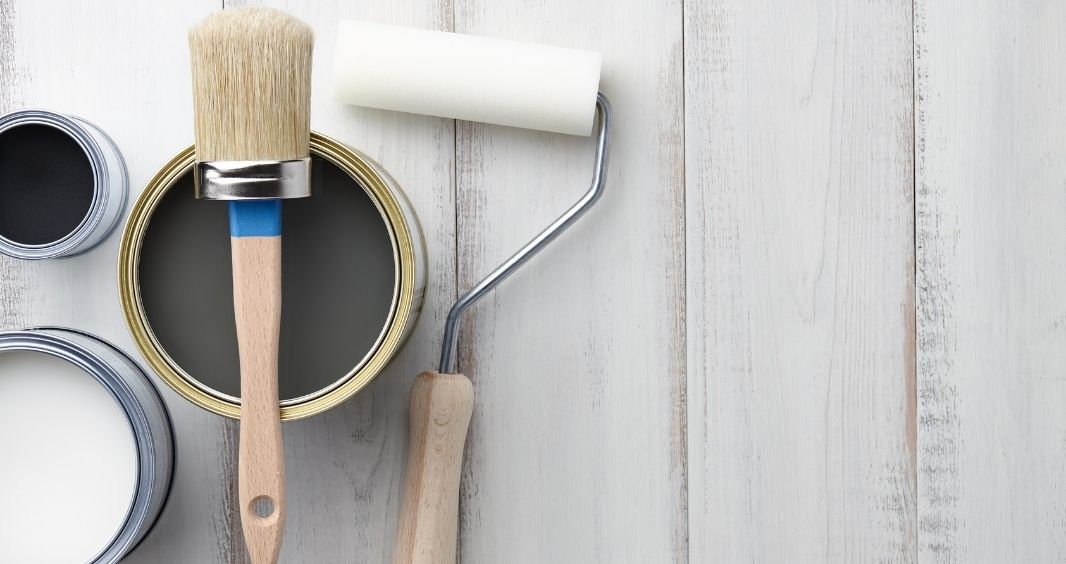
Whether you paint your own home or hire a professional company to do it for you, the paint you choose is essential to completing this process successfully. However, despite this fact, many homeowners remain unaware of what exactly they’re putting on their walls—or how these products are even made to begin with. So, before you start weighing your options, make sure you take the time to gain an understanding of how home paint is made and how this can affect the environment within your home.

Primary Paint Ingredients

First and foremost, it’s important to discuss the different ingredients that go into particular paint products. These substances can influence everything from how the paint will dry on your walls to how many Volatile Organic Compounds, or VOCs, will be released into the environment when it does. As such, knowing what some of these materials are can help you determine whether it’s something you feel comfortable using. These are the core components to any type of residential-grade paints:

Pigments

Pigments are a paint’s primary source of color and are comprised of several natural resources ground together into a fine powder. It’s this powder that’s later mixed into paint solutions to give them their unique hues. Some examples of this include titanium oxide, which creates white pigment, and carbon black, which produces black. When these pigments are mixed together in varying amounts, they can create any color across the spectrum. This is why it’s very easy to order custom-mixed paints that match your specific choice.

Solvents

Solvents, on the other hand, are the liquid carrier for the solid pigments to dissolve into. Depending on the type of paint you ultimately choose, this solution could consist primarily of water for latex paints, or turpentine for oil-based paints. These solvents will make it easier to spread paint over a surface and initiate the drying process. In fact, as paint dries, it’s the evaporated fumes from these materials that are released into the air surrounding your walls. This is why low VOC paints will typically opt for a water base over a turpentine one.

Additives

It’s important to consider the additives in your paint as well. These ingredients add additional effects to the paint, making it better suited for specific environments or giving it a specific type of finish. For this reason, there’s a lengthy list of options to choose from when custom mixing your own product to use at home. Certain additives can promote a faster drying process, strengthen the coat against frigid temperatures, and even inhibit mold growth in some cases. It all depends on the performance you want the paint to have.

Binders

Binders, or resins as they’re often known, then act as the glue that allows the finished paint product to stick and cure properly to a surface. Once mixed into the batch with the other ingredients, binders ensure that once the paint dries it won’t release its hold on the wall. Most common binders, such as acrylic emulsion polymers, are especially effective at sinking into porous materials. However, if you want to paint something like cement, different binders might need to be used to create the same result.

The Paint Mixing Process

Now that you know what roughly goes into your new paint, it’s time to officially talk about how home paint is actually made. Upon being ordered from your local department store, the order is sent to a paint plant where the mixing process will take place. While some stores are equipped to handle this process themselves, most find it more effective to have the order filled elsewhere. With most standard paints, the mixing goes as follows:

Making a Pigment Paste

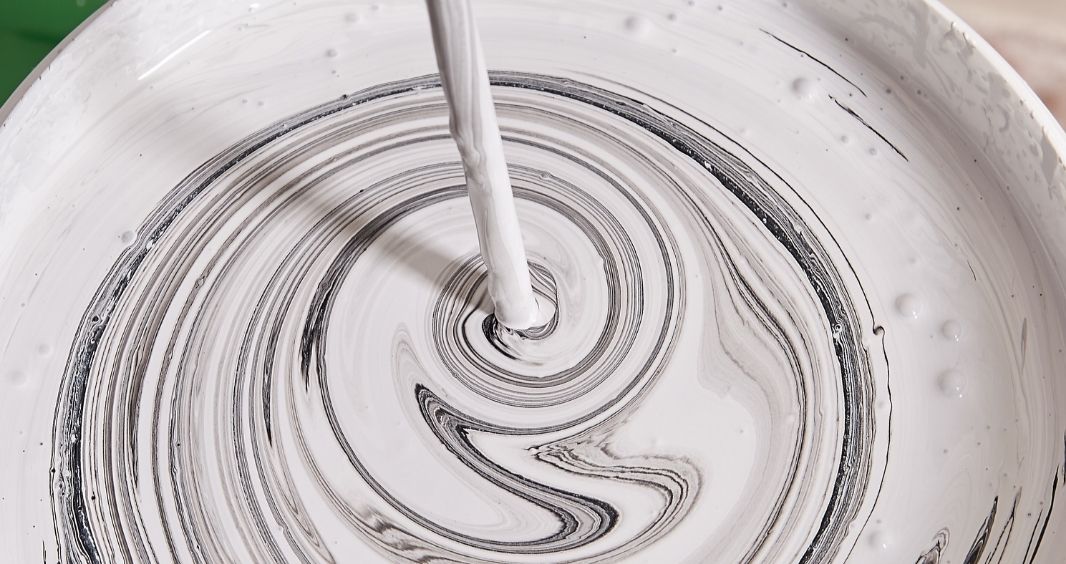
First, a pigment paste is prepared using the proper amount of pigment powder to create the desired color. The powder is then combined with enough binder, solvent, and additive to give the solution a thick, glue-like texture. This mixture is the core of the paint product, but, in this state, it’s much too thick to spread reliably.

Mixing and Filtering the Paint Solution

Once all the necessary components are present, the batch is placed into an industrial sand mill to grind down and equally disperse the metal pigment powder. This machine is what fully mixes the ingredients together and creates a liquid with a consistent hue. Any remaining particles are then filtered out of the liquid.

Thinning the Product

The paint still isn’t ready to be used. Even with the chunks of pigment ether ground down or removed, the mixture is still much too thick to be evenly applied on a surface. This is why, the paint is then infused with even more solvent. The solvent will help further disperse the materials in the paint solution and eventually provide it with a thinner consistency. Though the amount of solvent being added to the paint will vary by paint type, overall, this step makes it much easier to apply in the home environment.

Canning and Selling

Then, finally, the product is canned, labeled, and shipped back to the store where you either buy it or pick it up. When canned, the product is given an air-tight seal to ensure it can’t dry while it’s waiting to be used. It’s also common for a bit of that batch to be smeared over a section of the lid and allowed to fully dry. This is to give you an idea of how the paint will look once it’s on your walls—which many homeowners find helpful for the first stages of the process.

Not all paint is made equal. This is why it’s crucial you know what’s going into your paint and how it’s created. So, to learn more about how paint products are mixed, or to gain expert advice on which type you should pick, give Bear Mountain Custom Painting a call. Our professional house painters in Cumming, GA are familiar with the paint manufacturing process and can help you pinpoint which mixture would have the largest impact on your home. Don’t let just any paint find a home on your walls—let us find the one that’s both stylish and healthy.
Understanding How Home Paint Is Made

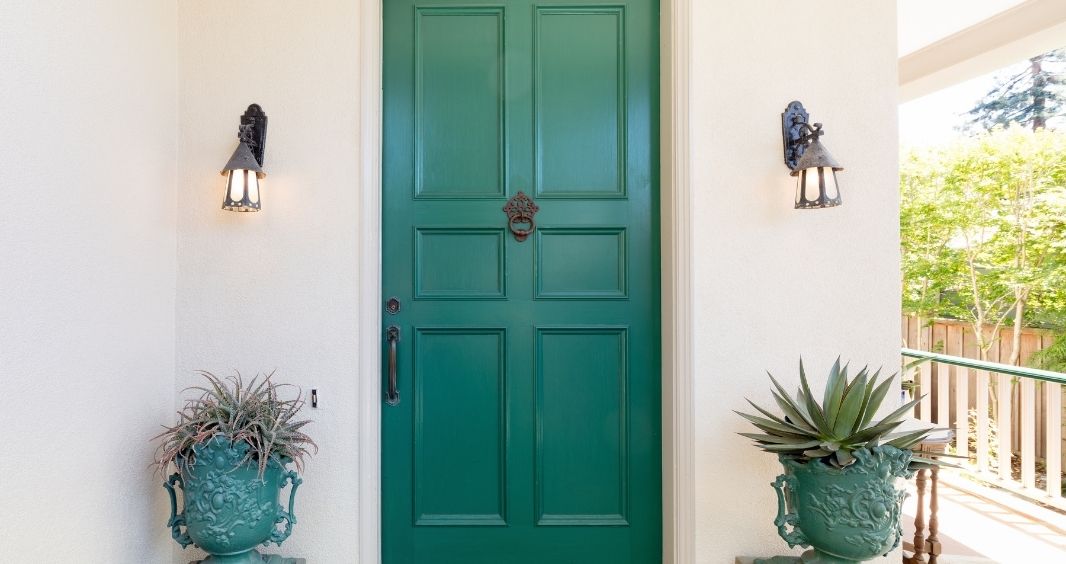
Factors To Consider When Selecting a New Front Door

Factors To Consider When Selecting a New Front Door

When it comes to your home’s front door, you may feel like it’s going to be around forever. However, the fact of the matter is that these components will break down just like the rest of the property. Eventually, whether you anticipate it or not, you’re going to need to replace your door. These are some factors to consider when selecting a new front door to ensure you’re making the correct purchase.

Climate

A front door’s primary job is to protect the interior of the home from external hazards and environmental conditions. As such, it’s only natural that you’d think about your region’s climate when trying to pick a new door. While some types of doors are heavily insulated to accommodate temperature, others are made of stronger, heavier materials to combat storm damage. So, finding a balance between the two will be the key to success.

Security

You also want to contemplate how much security you want from your door. Strength and stability are vital to keeping yourself and your belongings safe while inside the home. For this reason, you’ll typically want to purchase the most durable product you can find. Unfortunately, durability does tend to come with drawbacks in both appearance and price. While steel is considered the strongest door material, there’s less room for style customization, and they’ll often cost more out of pocket.

Energy Efficiency

Another crucial factor to consider when selecting a new front door is how resistant certain models are to drafts. As previously mentioned, your climate will affect how many drafts your home experiences over the years. Homes that are more prone to these occurrences will need to use heavier insulated doors to keep that air out and save money on energy. Generally, more insulation is better for this purpose, though it can also start to affect your number of style options.

Curb Appeal

You want to account for how your home will look with the new door as well. Curb appeal is important for attracting potential buyers during the selling phase or even keeping your property looking nice as a whole. Because of this, you’ll also want to pick something that complements your home’s current design and style.

Whether you need help choosing your next exterior door or want to have it professionally installed, Bear Mountain Custom Painting is ready to take your call. Our door installation experts in Cumming, GA work quickly and efficiently, ensuring your home is as protected and beautiful as possible.

Considerations When Choosing an Interior Paint Finish

Considerations When Choosing an Interior Paint Finish

There’s a lot of things to keep in mind when you’re deciding on new wall paint—such as what color it should be and what brand you should pick. However, one important thing people too often overlook is how they want the finished product to appear and perform. A paint’s finish dictates everything from how the paint will dry on the surface to how easy the surface is to clean. As such, not just any type of gloss or sheen will be successful in a home. Use these considerations when choosing an interior paint finish to ensure you pick the right product for you.

Amount of Natural Light

Lighting can affect the appearance of color within a space, and it’s crucial to note it can also change the effectiveness of a paint’s finish. High-gloss or shinier finishes will naturally reflect more light. Because of this, they tend to make a room appear brighter than you might want. Matte finishes, on the other hand, often absorb light, making rooms appear darker. Take some time to acknowledge how much light you currently get in the space and how bright you want it to be once you’ve painted it.

Average Room Traffic

The amount of traffic a room gets is also crucial to picking the right paint finish for that area. With more people walking through, there’s greater opportunity for the walls to get scuffed, nicked, and dirtied. These blemishes can be very noticeable on certain types of finish—matte is particularly susceptible to this—increasing the frequency at which you must clean the walls. As such, use something a bit more durable if you’re redesigning a busy room.

Desired Appearance and Style

Another vital consideration when you’re choosing an interior paint finish is your vision for the room’s appearance and style, whether that’s sleek and modern or rustic and traditional. Paint finishes offer the perfect complementary look and texture for the rest of your design. Carefully think about how you want the finished product to look and what tone you want the environment to establish. This will guarantee that you find something that works.

For additional help in choosing the right paint finish for your project, call Bear Mountain Custom Painting. Our team of professional residential painters in Atlanta is familiar with all the different variations of finishes, and they’ll work with you to determine the type that fits your needs. We also conduct color consultations to ensure you get what you want.

Common Winter Gutter Problems To Avoid

Common Winter Gutter Problems To Avoid

As rain showers give way to snowstorms, it is common for us as homeowners to begin overlooking our gutters. After all, there no longer seems to be any rain to redirect. However, these systems are still crucial in providing our homes with the proper amount of drainage and preventing costly water damage. These are some common winter gutter problems to avoid and how to mitigate their risk of occurring this season.

Clogged Piping

When snow and debris make their way down your gutter’s drainage pipes, they have the potential to freeze and completely clog the system. This prevents water from running through it, and your gutter could develop additional ice. Over time, the ice can continue to build—blocking off any avenue for water to drain and resulting in overflow. Remove any blockages before outdoor temperatures drop.

Downspout Damage

This same situation can cause your gutter’s downspout to burst. As snow and water freeze, they expand to fill the space containing them. As more and more ice collects in this area, the mass will continue to grow until the piping cannot hold it. This is when downspouts can start breaking open and become ineffective at directing water away from your home. To prevent this, inspect your downspouts regularly and clear away any blockages you see forming.

Ice Dams

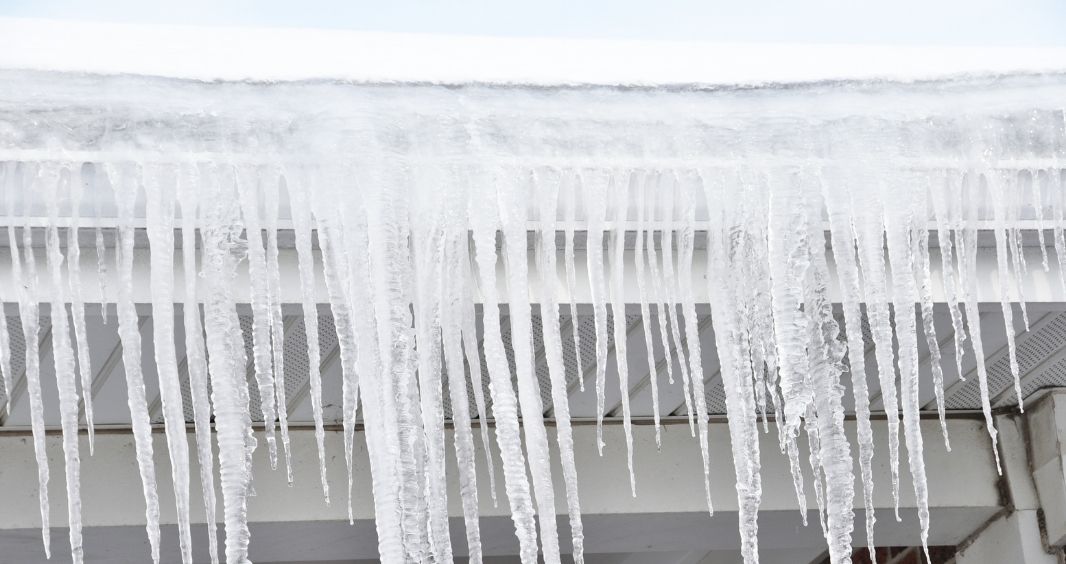
Another common winter gutter problem to avoid is the development of ice dams. This is when snow from your roof melts and refreezes at the edge of your gutters. The ice often forms in large chunks that prevent water from entering the drainage canal. It becomes easier for overflow to occur and cause damage to your roof as well as your home’s foundation. Once again, preventing this issue ultimately involves keeping your gutters clear of debris.

Gutters do not only protect your home from rain. This is why, at Bear Mountain Custom Painting, we ensure that every home is properly prepared for the snow and ice on the way. Our home gutter installation contractors in Cumming, GA will work with you to repair or replace any sections that may cause you issues over the winter months.

How To Plan an Exterior Painting Project in Winter

Can You Paint Your Home’s Exterior During Winter? Our Guide

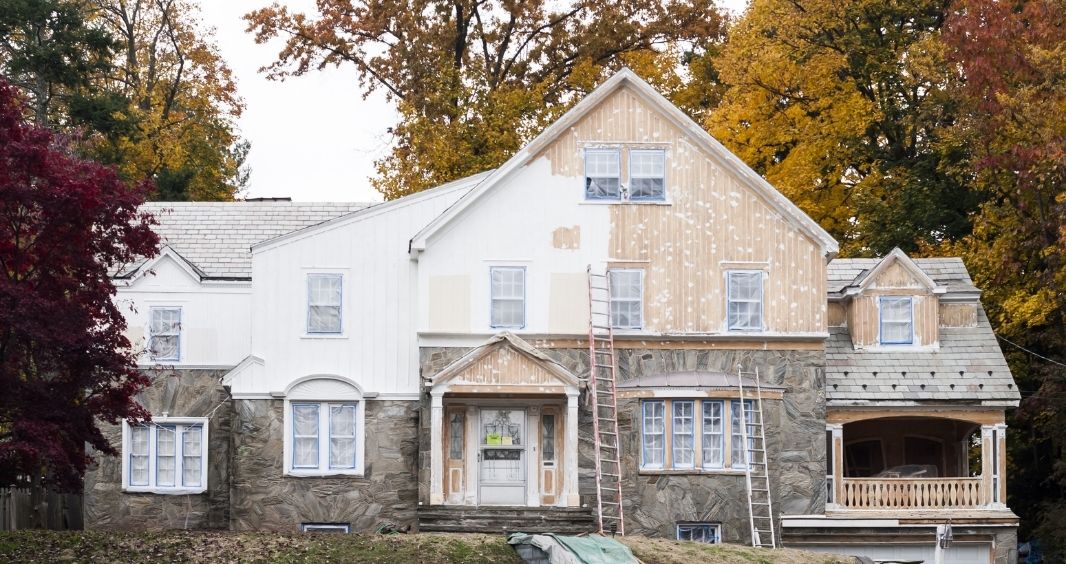
Winter has a way of slowing things down. Shorter days, colder mornings, and fewer home projects on the calendar often go hand in hand. That’s why many homeowners assume exterior painting has to wait until spring. In reality, that isn’t always the case. In places like the Atlanta area, winter exterior painting can work very well when it’s planned the right way.

The key is understanding how colder weather changes the process. Paint still performs, surfaces can still be prepped properly, and projects can move forward. The approach just looks a little different than it does in July. This guide walks through what to expect, what matters most, and how to decide whether winter painting makes sense for your home.

As the leading house painters in Atlanta and the surrounding suburbs, Bear Mountain would be happy to help. Send us a note and we’ll provide a complimentary quote.

How Cold Weather Changes Exterior Painting

What Temperatures Are Actually Paint-Friendly

Exterior paint used to be far less forgiving in cold weather. That has changed. Many modern paints apply well when daytime temperatures stay in the mid-40s and above, as long as nights don’t drop too far below that range. In the Atlanta area, winter often brings plenty of days that meet those conditions.

What painters watch most closely is consistency. Paint needs time during the day to settle and begin curing before evening temperatures cool off. That usually means starting later in the morning and wrapping up earlier in the afternoon, rather than working from dawn to dusk.

Drying and Curing Take a Slower Path

Cold air slows the process down, and that is not always a bad thing. Slower drying allows paint to level more evenly, which can improve how the finish looks once everything settles. Curing still happens, it just takes more patience. Winter projects succeed when coats are spaced properly and timelines stay flexible. Call our friendly painting contractors in Marietta for a quote or expert insight.

Picking the Right Paint for Winter Conditions

Why Cold-Weather Paint Matters

Not every exterior paint belongs on a winter job. Some products are designed to stay flexible in cooler temperatures and handle mild temperature swings without cracking or peeling later. Others are not. Using the wrong paint often leads to early failure, even if the surface looked fine at first.

Manufacturers list minimum temperature guidelines for a reason. Those numbers guide when paint goes on and how the project is scheduled.

Primer Becomes Even More Important

Primer does a lot of heavy lifting during winter painting. Bare wood, patched areas, and older surfaces all benefit from primers that bond reliably in cooler air. Winter is not the time to cut corners on prep layers. A good primer creates a stable base that helps finish coats hold up long after temperatures warm back up.

Getting Your Home Ready for Winter Painting

Prep Work Sets the Tone for the Entire Project

Winter exterior painting leaves little room for shortcuts. Surfaces need to be clean, dry, and sound before paint ever comes out. Power washing still plays a role, but extra drying time is often needed afterward. Wood repair, caulking, and sanding become even more important when colder weather is involved.

Good prep keeps moisture out and helps paint adhere properly from the start.

Morning Dew and Moisture Awareness

Winter mornings often bring dew, even on clear days. Siding and trim can hold onto that moisture longer than expected. Professional painters wait until surfaces are fully dry before getting started, which usually shifts work toward late morning or midday. That small adjustment makes a big difference in how well paint bonds.

Scheduling a Winter Exterior Painting Project

Working With Shorter Days

Winter days are shorter, so planning matters more. Painters typically follow the sun, working on warmer, sunlit sides of the home first and rotating as conditions change. The focus stays on steady progress rather than speed.

In Atlanta, this approach allows winter projects to move along without sacrificing quality.

Keeping an Eye on the Forecast

Winter weather can change quickly. A warm stretch may be followed by rain or a sudden cold snap. Successful winter painting relies on watching forecasts closely and being willing to shift schedules when needed. This flexibility protects the work and keeps the final result consistent, and our house painters in Johns Creek always keep an eye on the forecast before we get to work.

Where Winter Exterior Painting Works Best

Regions That See Reliable Winter Conditions

Winter painting works best in regions with mild cold and limited freezing. Much of the Southeast, including North Georgia, falls into this category. Parts of the Carolinas, Texas, and the Southwest also see enough workable winter days to support exterior painting when planned carefully.

Areas Where Winter Painting Is Less Practical

Colder regions face different challenges. Extended freezing temperatures, snow cover, and deep overnight lows make winter exterior painting difficult in much of the Midwest, Northeast, and higher elevations out West. In those areas, exterior projects often pause until spring.

Why Some Homeowners Choose Winter Painting

More Scheduling Flexibility

Winter tends to be a quieter season for exterior painting. That often means easier scheduling, quicker consultations, and more flexibility if weather causes a delay. For homeowners working toward a spring listing or coordinating multiple projects, this can be a real advantage.

Gentler Conditions for Paint

Atlanta winters bring lower humidity and less intense sun than summer. Those calmer conditions can actually be easier on fresh paint, especially when products and timing line up well. Many winter paint jobs perform just as well as those completed during warmer months.

Pairing Winter Exterior and Interior Projects

Making the Most of the Season

Some homeowners use winter as a chance to tackle both exterior and interior updates. Cooler weather makes interior painting more comfortable, and projects can be sequenced efficiently. Finishing painting work during winter often frees up warmer months for landscaping, outdoor projects, or simply enjoying the home.

Is Winter the Right Time for Your Home?

Looking at Surface Condition First

Homes with peeling paint, exposed wood, or moisture-related wear may benefit from attention sooner rather than later. Waiting months for spring can allow small issues to grow. A professional evaluation helps determine whether winter painting is a good option or if waiting makes more sense.

Getting Advice Before You Decide

Winter exterior painting is not a guessing game. Paint choice, prep work, and scheduling all need to match local conditions. Bear Mountain Custom Painting has served the Atlanta area since 2005 and understands how winter weather here affects exterior paint. If you’re considering a winter project, contact us for a complimentary consultation and quote. Our house painters in Cumming are happy to talk through your options and help you decide what works best for your home.

How To Plan an Exterior Painting Project in Winter

Frequently Asked Questions About Winter Exterior Painting

Can You Really Paint a House Exterior During Winter?

Yes, exterior painting can be done during winter when daytime temperatures stay within product guidelines and surfaces are properly prepared. In areas like Atlanta, winter often provides workable conditions for several hours each day.

What Is the Coldest Temperature Exterior Paint Can Handle?

Many modern exterior paints apply well when temperatures remain in the mid-40s or higher during the day. Overnight temperatures matter too, since paint needs time to begin curing before conditions cool off.

Does Winter Paint Take Longer to Dry?

Drying and curing typically take longer in winter. This is normal and accounted for during scheduling. Slower drying can actually help paint level more evenly when coats are spaced correctly.

Is Winter Exterior Painting Durable Long-Term?

When the right products are used and prep work is done correctly, winter paint jobs can last just as long as those completed in warmer seasons.

What Types of Paint Work Best in Cold Weather?

Cold-weather exterior paints are formulated to stay flexible and bond properly at lower temperatures. Standard warm-season paints are not recommended for winter use.

How Does Morning Dew Affect Winter Painting?

Morning dew can leave surfaces damp longer than expected. Painters wait until siding and trim are fully dry before starting, which often shifts work toward late morning or midday.

Can All Exterior Surfaces Be Painted in Winter?

Most siding, trim, and exterior features can be painted in winter if conditions allow. Each material requires proper prep and compatible products to perform well in cooler weather.

Are Winter Painting Projects Slower Than Summer Ones?

Winter projects may move at a different pace due to shorter days and weather monitoring, but thoughtful scheduling keeps progress steady and controlled.

Is Winter a Good Time to Combine Interior and Exterior Painting?

Yes, many homeowners choose to tackle both during winter. Interior painting is often more comfortable during cooler months, and projects can be sequenced efficiently.

How Do I Know If Winter Painting Is Right for My Home?

A professional evaluation helps determine whether winter conditions are suitable for your home’s surfaces and current paint condition. Some homes benefit from prompt attention rather than waiting for spring.

Reasons To Replace Your Windows in the Winter

Reasons To Replace Your Windows in the Winter

It’s no secret that having quality windows is crucial during the winter months. In fact, between the energy you save and the comfort you maintain, it’s one of the most beneficial upgrades you can make during this time of year. However, when we think of having our windows replaced, we very rarely consider doing so past the first major chill—leading us to wait longer than we have to. These are a few reasons to replace your windows in the winter and why this process is so effective.

Issues Are More Noticeable

To begin, waiting until the winter months to replace your windows can actually help you identify what’s wrong with them in the first place. In warmer seasons, the home’s interior and exterior temperatures are still close enough that drafts often go unnoticed. Humidity during these seasons also reduces some overall energy loss. But in the winter, the air is much drier and thinner, making it uncomfortably obvious when your windows aren’t up to the task.

Better Deals on Installation

The fall and winter seasons are when contractor work loses demand. As such, most installation professionals will refer to this time as the off-season and start offering deals to drum up additional business. By choosing to replace your windows in the winter, you’re automatically making yourself eligible for discounts that can save hundreds of dollars during the project.

Increased Scheduling Flexibility

Another important reason to replace your windows in the winter is the amount of flexibility you have when scheduling installation appointments. Since window installers tend to have more available time slots this time of year, you’ll have more power over when you can get the work done. Whether you want the project completed as soon as possible or would rather wait for a warmer day, the choice is entirely yours.

Immediate Energy Savings

But, best of all, getting new windows during the winter allows you to experience just how much of a difference they make. You’ll be able to see firsthand how much energy you’re saving and, likewise, how much money you get to keep in your pocket. New windows will also reduce the amount of wear and tear your heating system experiences and will help to prolong its lifespan.

If you’re looking to increase your home’s energy efficiency for the long winter to come, reach out to Bear Mountain Custom Painting. Our window and door replacement services in Cumming, GA are fast, efficient, and guaranteed to get you the quality results you need.

BLOGBLOGBLOGBLOGBLOGBLOGBLOG