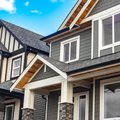







Most exterior paint jobs do not require stripping every bit of old paint from the house. But what does need to come off is paint that has already started to fail; peeling, flaking, bubbling, chalky, or poorly bonded paint has to be handled before new paint goes on. Bear Mountain Custom Painting has served North Georgia and the greater Atlanta area since 2005, and our 1,000+ five-star reviews come from doing the prep work the right way. Contact us for a complimentary quote and consultation if your exterior needs some love.
As the leading painting company in Cumming, GA, we also offer painting services in Alpharetta, Johns Creek, Kennesaw, and all surrounding areas. Call us and we’ll get you on the calendar.
Does All Old Exterior Paint Need To Come Off?
No, all old exterior paint does not need to come off before a new paint job. In many cases, paint that still has a solid bond can stay on the house. A good exterior repaint usually includes washing, scraping loose areas, sanding rough edges, caulking gaps, spot priming bare surfaces, and applying a paint system that fits the siding, trim, or masonry.
Full paint removal is a much bigger job, and it is not always the best use of time or money. The goal is to get the surface clean, sound, and ready for the next coating. If the old paint is stuck well to the home, there is usually no reason to punish the surface by stripping it down to bare wood or masonry.
However, the problems start when old paint has already separated from the surface. New paint cannot lock down paint that is curling, lifting, cracking, or falling apart.
When Exterior Paint Usually Needs To Be Removed
Paint removal does not always mean stripping the entire house. More often, it means removing bad sections and working the edges until they are stable. A good painter knows the difference!
Peeling Or Flaking Paint
Peeling paint is the easiest warning sign to spot. You may see curled edges, exposed wood, flakes on the ground, or trim that looks rough and layered. These areas have to be scraped back until the remaining paint has a firm grip.
After scraping, the edges often need sanding so the transition between old paint and bare surface looks smoother. Bare wood or exposed areas should be primed before finish coats. Skipping this step can leave the new paint sitting on top of a weak, uneven surface.
Bubbling Or Blistering Paint
Bubbles and blisters can come from moisture, heat, poor prep during a previous paint job, or paint applied over a dirty or damp surface. Once paint bubbles, it has already lifted away from the house. Painting over it only traps the problem under a new coat.
These areas need to be opened, scraped, sanded, and checked. If moisture caused the blistering, the source should be addressed before repainting. Otherwise, the same area may fail again.
Heavy Chalking Or Powdery Paint
Chalking happens when old paint breaks down and leaves a powdery film on the surface. You can often see it by rubbing your hand across the siding or trim. A little chalking is normal as exterior paint ages, especially in Georgia sun.
Heavy chalking can keep new paint from bonding. The surface usually needs a thorough wash, and in more severe cases, a bonding primer may be needed. The paint does not always need to be fully removed, but the powdery layer cannot stay loose on the surface.
Thick Layers Around Trim And Details
Older homes can build up heavy paint layers around window casings, doors, shutters, porch railings, and decorative trim. Over time, those layers can bury the shape of the trim and leave the surface looking lumpy.
Selective sanding or removal can help bring back cleaner lines. This kind of work takes patience, especially on detailed exterior trim. The painter should remove what needs to come off without damaging the wood underneath.
When Old Paint Can Usually Stay on the House
If your paint is still smooth, bonded, and in decent condition can usually stay. The surface still needs prep, but full removal may add cost without adding much benefit.
A solid painted surface can often be washed, dulled, sanded where needed, caulked, and spot primed. If the old paint has a good bond, it can act as a stable base for the new coating.
Color changes also do not usually require stripping. Going from dark to light, light to dark, or from one color family to another is usually a primer and product question. A quality exterior paint system can handle many color changes after proper prep.
Prep Work Is More Important Than Full Removal
A house can have old paint on it and still take a new coating well. It just needs the loose paint removed, the dirt washed away, the rough edges smoothed, and the open gaps sealed.
Good prep may include pressure washing or soft washing, scraping, sanding, caulking, wood repair, mildew treatment, spot priming, and careful application around trim and edges. None of that is glamorous, but it is what separates a quick repaint from a job that still looks good years later.
This is also where materials come into play. Exterior wood trim, siding, painted brick, stucco, porch ceilings, shutters, and doors do not all need the same product. A good paint job pairs the prep with the right primer, paint, and sheen for each surface.
What About Lead Paint On Older Homes?
Homes built before 1978 may have lead-based paint. That changes how scraping, sanding, and paint removal should be handled. Lead paint should not be disturbed casually, especially if it creates dust or chips around the home.
If your home is older, it is worth bringing this up before the project begins. A professional painter can talk through the condition of the existing coating and the safest approach for the work. In many cases, careful surface prep and proper containment are part of the plan.
What Happens If You Paint Over Bad Paint?
Paint can make a failing surface look better for a little while, but it cannot fix loose material underneath. If peeling paint stays on the house, the new paint may peel with it. If chalky residue stays behind, the new coating may not bond well. If moisture is trapped under old paint, bubbling can come back.
You may also see rough edges, cracked areas, early fading, or spots where the new paint pulls away in the same places as the old coating. That is frustrating for homeowners because the house may look freshly painted at first, then start showing problems far too soon.
A better paint job starts by being honest about what is already on the house. Stable paint can stay. Failed paint needs to be removed back to a sound edge. Damaged wood should be repaired. Bare areas need primer. The new finish depends on those steps.
How Bear Mountain Handles Exterior Paint Prep
Bear Mountain Custom Painting looks closely at siding, trim, fascia, soffits, shutters, doors, porch details, previous coatings, sun exposure, moisture-prone areas, and wood condition before painting begins. We want to know where the paint has failed, why it failed, and what needs to happen before finish coats go on.
Our exterior prep can include washing, scraping, sanding, caulking, rotted wood repair, spot priming, and product selection for the surface. We also help with color updates when homeowners want a new look for the exterior. A fresh color can make a huge difference, but the prep underneath still has to be right.
Contact Bear Mountain Custom Painting
Exterior paint usually does not need to be removed down to the bare surface before a paint job. It does need honest prep, sound surfaces, the right primer, and a paint product that fits the home. If your exterior has peeling paint, rough trim, chalky siding, rotted wood, fading color, or a finish that has simply reached the end of its life, Bear Mountain Custom Painting would be glad to take a look. Contact us for a complimentary quote and consultation for exterior painting, trim repair, color updates, or a full repaint anywhere in North Georgia or the greater Atlanta area.